The problem
Yes2Games is a Singapore publisher of browser games. It had 49 games on Playgama (220 million monthly players) and Yandex. It needed more.
It bought games from studios in Indonesia, where there was no going rate for a deal. Without your own price, you only learn what a game was worth after you sign.
Getting studios to come to us
First, studios had to pitch to us. I marketed three events:
No paid ads. Studios heard through partners, referrals, event listing sites, campus posters and word of mouth. Most of the five studios we signed came from these events.
One PENS event launched Zero One Protocol, a puzzle game made by PENS students and published by Yes2Games. I wrote the plan: a speedrun contest with a USD 1 entry. Read the event plan (PDF).
Four kinds of deal
The five deals weren’t all the same. Each type puts the risk on a different side.
| Deal | What the studio gets | What Yes2Games gets |
|---|---|---|
| Buying the game outright | One payment | Full rights to the game |
| Exclusive licence | A fee for a set period | The only right to publish it for that period |
| Revenue share | A cut of what the game earns | Less money at risk upfront |
| Buying the studio | A price for the company | The team and the games it owns |
If you buy a studio, check it really owns its code and art, and that the people who built the games will stay.
Model first, then negotiate
Before any negotiation, I built a deal model: what a game was worth to us, against what the studio would accept. Every yes or no had a number behind it.
Step 1 of 5. Tap the numbers.
Source
Campus and online events, partners and referrals.
The model projected an 8% annual revenue lift from the acquisitions.
Spending where players stay
Signing games was half the job. The other half was deciding where the marketing money went.
I ranked all 49 games by how many players were still playing after a week and after a month (D7 and D30). Marketing money moved to the top fifth of games, and revenue per dollar spent went up.
Two launches
I worked on pricing, strategy and partnerships for Zero One Protocol, which launched on Android, iOS and Steam. I also worked on launch marketing for NSR, a racing game. Some graphics from both:
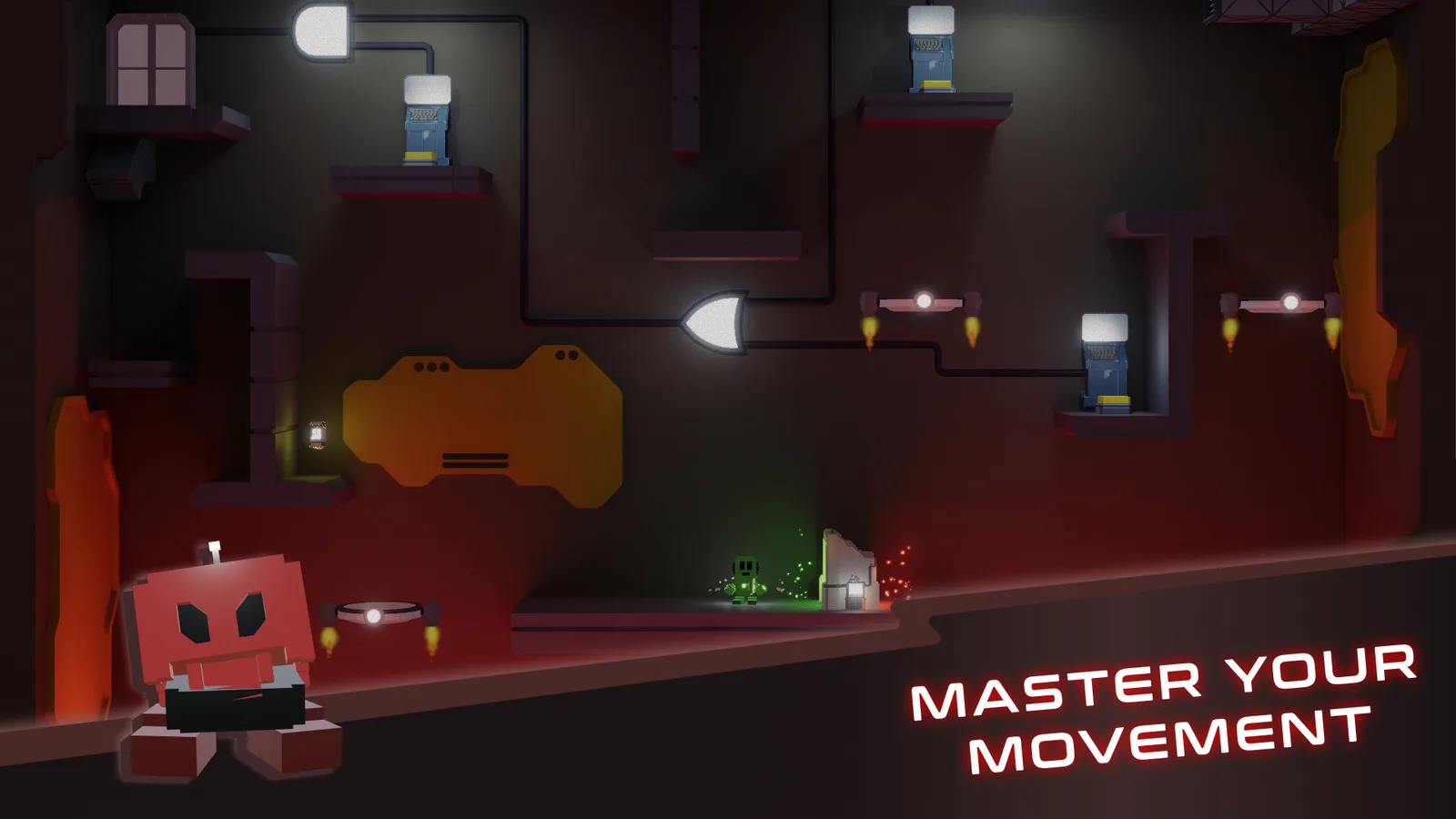 Master your movement
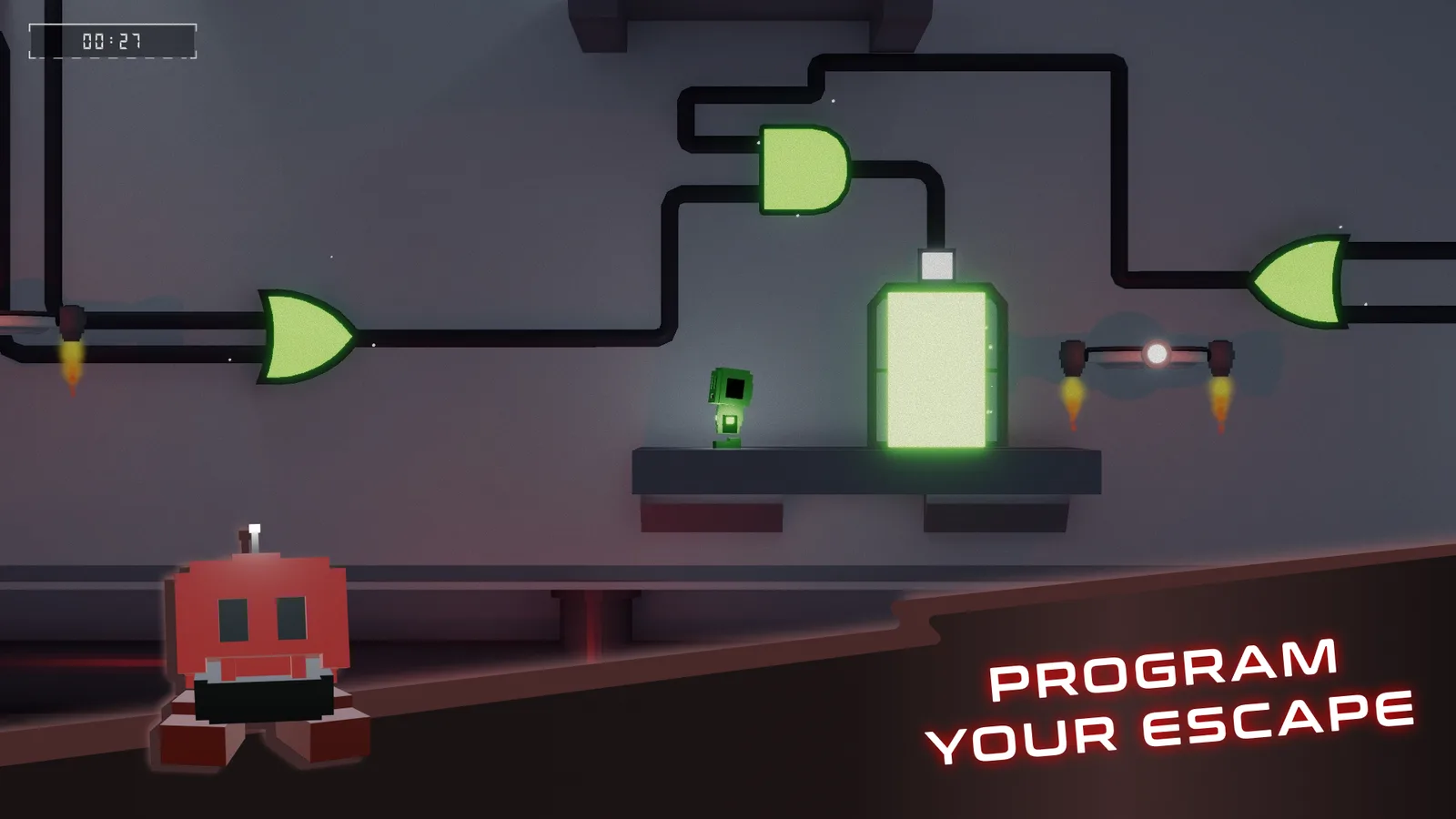 Program your escape
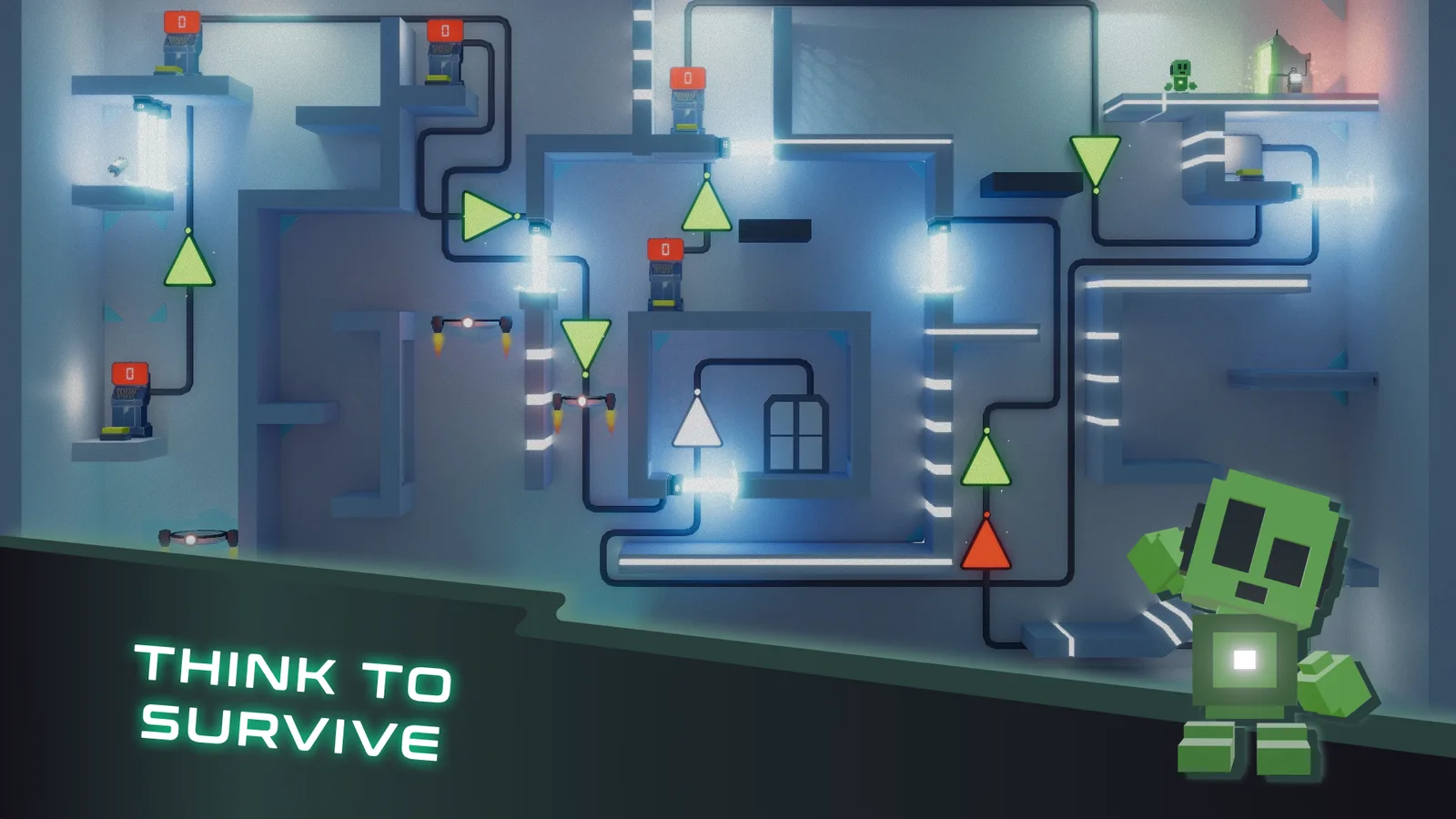 Think to survive
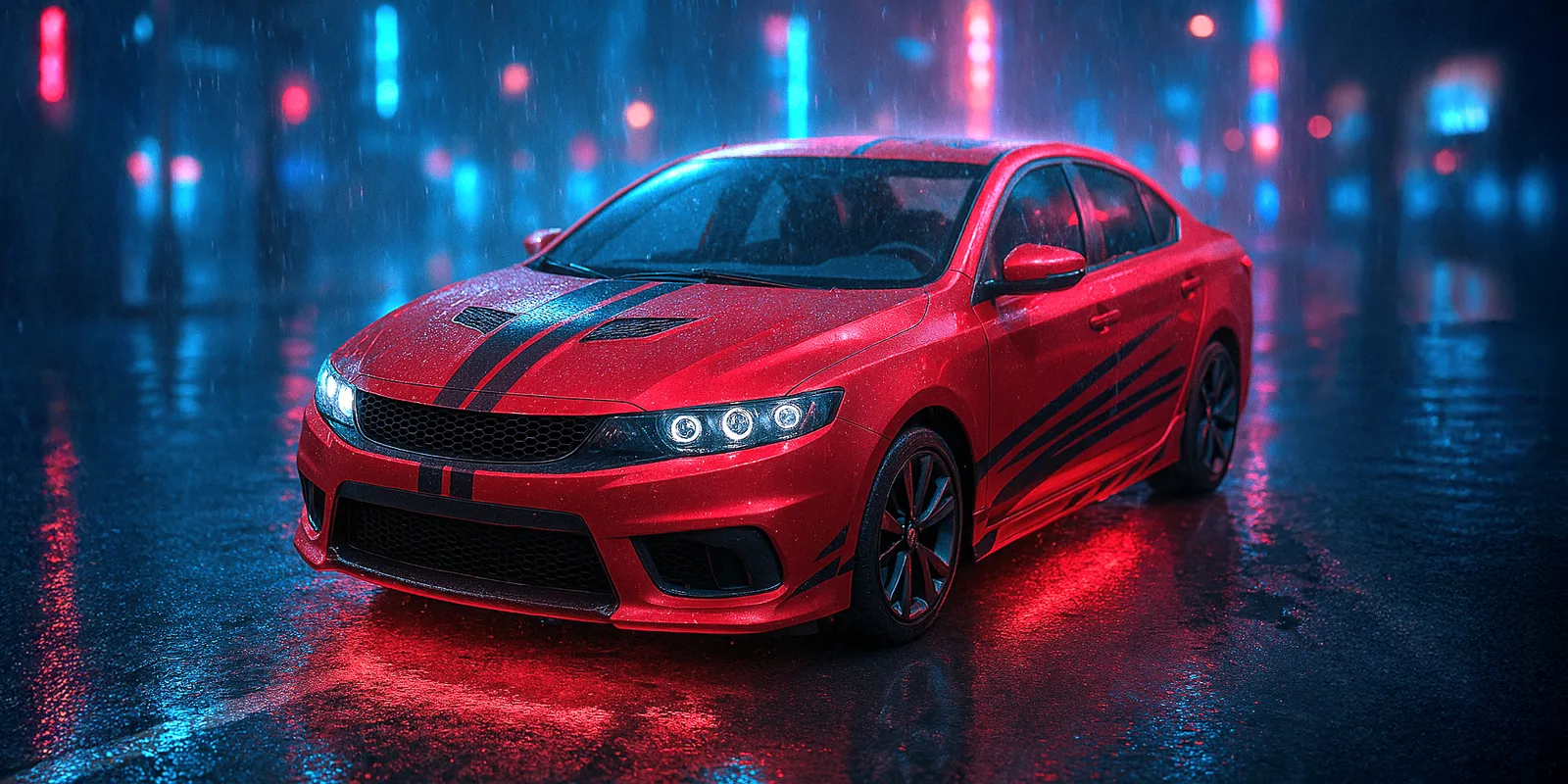 NSR key art: red saloon
 NSR key art: neon hatchback
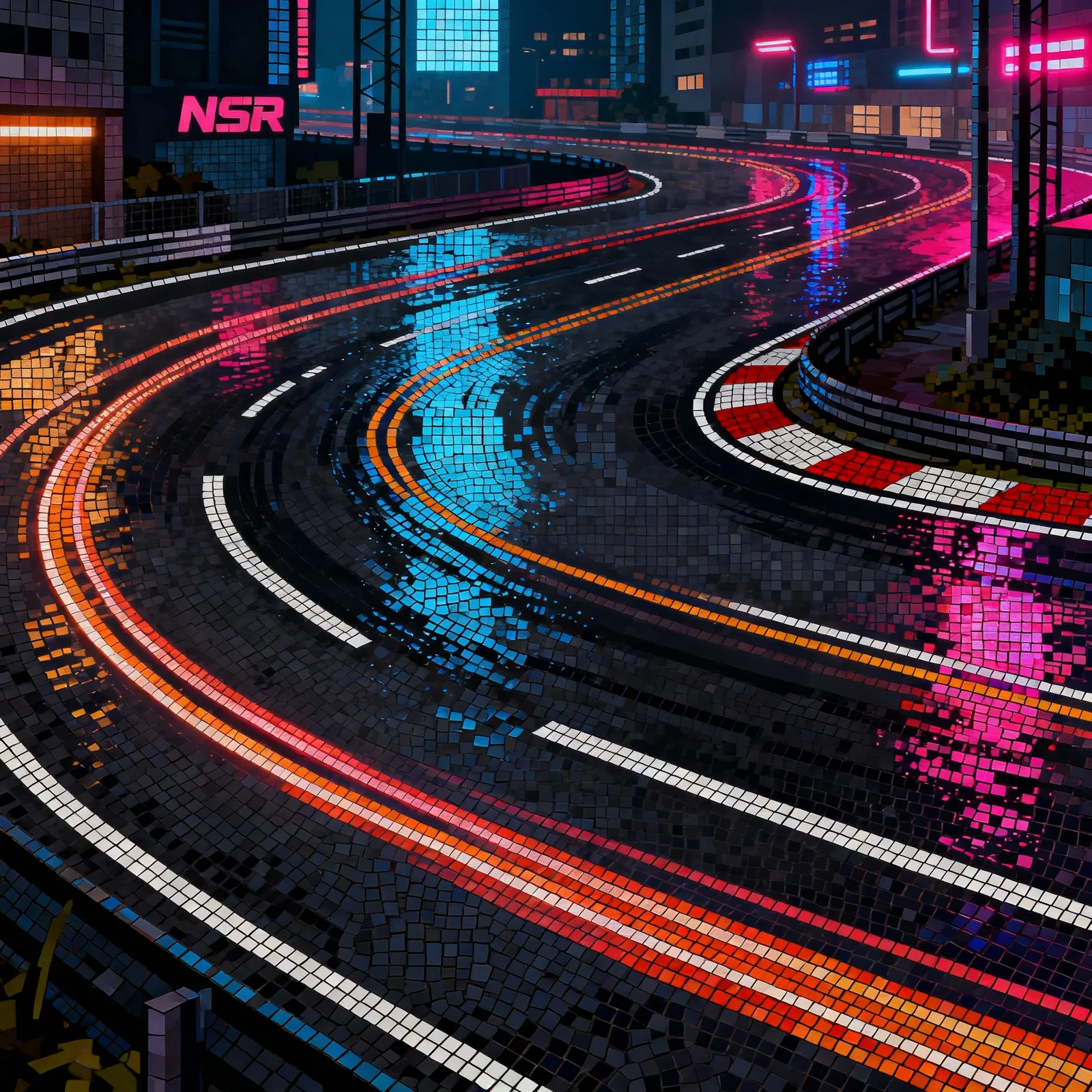 NSR: track art
The Zero One Protocol banners were made under my direction. The NSR art was generated with AI image tools from my prompts. All of them are on the graphics page.
What I’d do next time
I’d keep the same order.